Sign Up | Advertise | Prompt Guide | Unsubscribe | | | | | | Welcome, Noodle Networkers. | Apple is rebooting Siri again, China is finally trying to make AI useful, and big investors are quietly shopping like they know the answers to the test. Let's jump in. Apple just shook up its AI team and is planning two new versions of Siri. Yes two. One for normal humans and one for whatever Siri has been doing for the past decade. Apple is basically saying "this time we swear it works." 🍏 China's AI trade is shifting from infrastructure to real world apps. After years of building pipes and power plants, investors now want AI that actually does something besides sit in a data center looking expensive. Practical is back in style. 📈 And big money is quietly loading up on a key AI computing stock. No hype tweets, no flashy interviews, just institutions buying like they found a cheat code. Whenever Wall Street goes quiet, something spicy is usually cooking. 💎 | From Siri's redemption arc to AI finally leaving the server room to investors whispering instead of yelling, the AI saga keeps evolving. Let's dig in. | | In today's AI digest: | Apple shakes up its AI team and plans two new versions of Siri 🍏 China's AI trade shifts from infrastructure to real world apps 📈 Big money quietly loads up on a key AI computing stock 💎
| Read time: 5 minutes | | |
| |
| | |
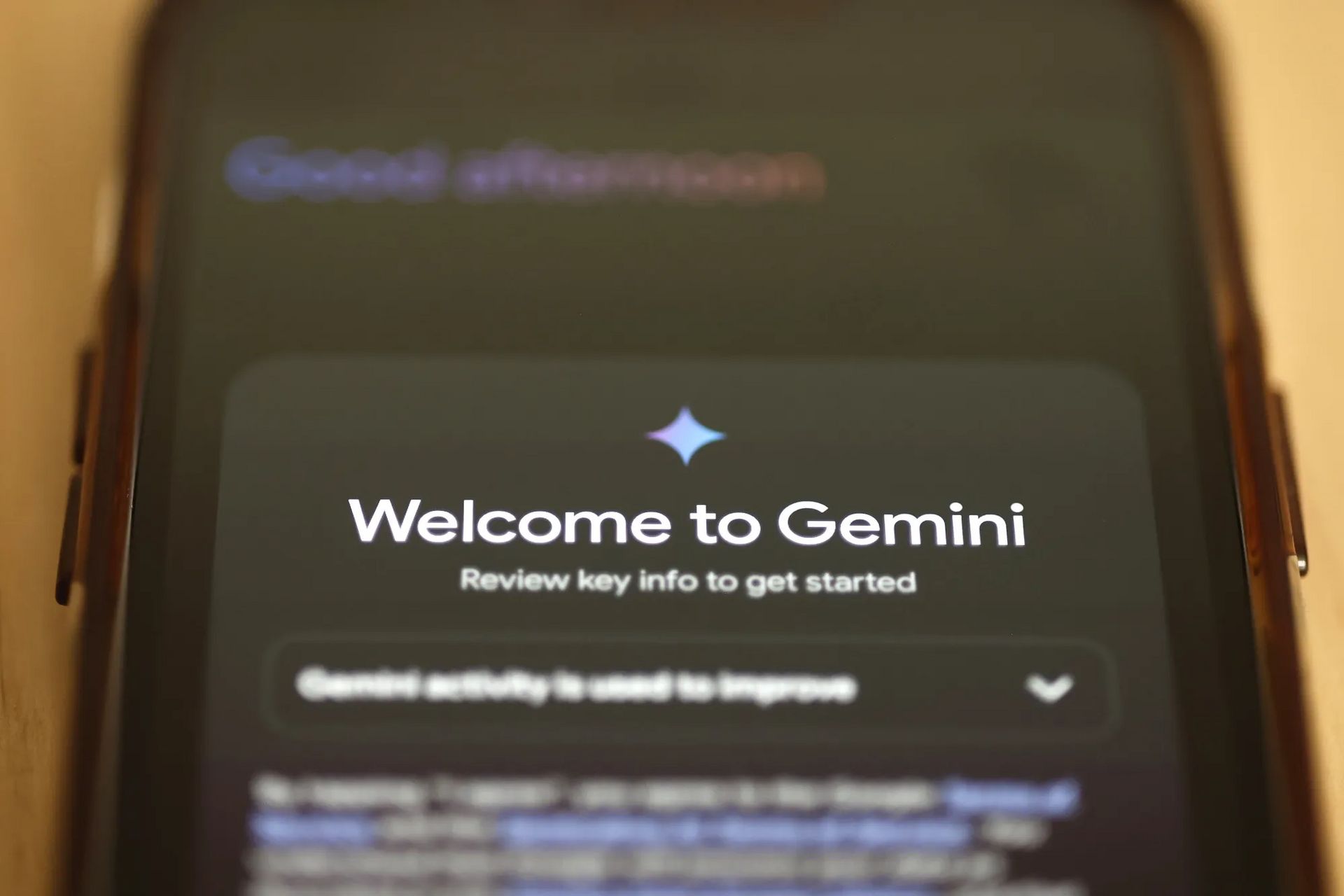
| | | | | | $AAPL ( ▼ 0.13% ) | | | (source: Bloomberg) | 🍏 The Digest: Apple is shaking up its AI team and planning not one but two new versions of Siri. After years of being the assistant everyone politely ignored, Siri is finally getting a reboot that aims to make it smarter, more conversational, and hopefully less confused by basic questions. Consider this Siri's redemption arc. | Key Details: | 🧠 AI Team Gets a Reset
Apple reorganized its AI leadership to move faster and catch up in the generative AI race. Translation: someone finally admitted that "Hey Siri" was not striking fear into ChatGPT users. | 📱 Two Siris Are Coming
Apple plans a near-term upgraded Siri that is more conversational, followed by a full chatbot-style Siri later on. It is like Siri 2.0 first, then Siri goes to grad school. | 🤝 Outside Help Accepted
Apple is leaning on large language models, including help from partners, to power these upgrades. Even Apple has realized that sometimes you borrow notes from the smart kid in class. | 🔁 More Than Timers and Weather
The new Siri is expected to summarize content, answer complex questions, and work across apps. In theory, this means fewer moments where Siri confidently replies, "Here's what I found on the web," and then disappears. | Why It Matters: Siri has been the running joke of voice assistants for years, and Apple knows it. This shake-up signals Apple is done being late to the AI party and is finally bringing snacks and a real personality. If it works, Siri might stop being something you apologize for and start being something you actually use. |
| |
| | |
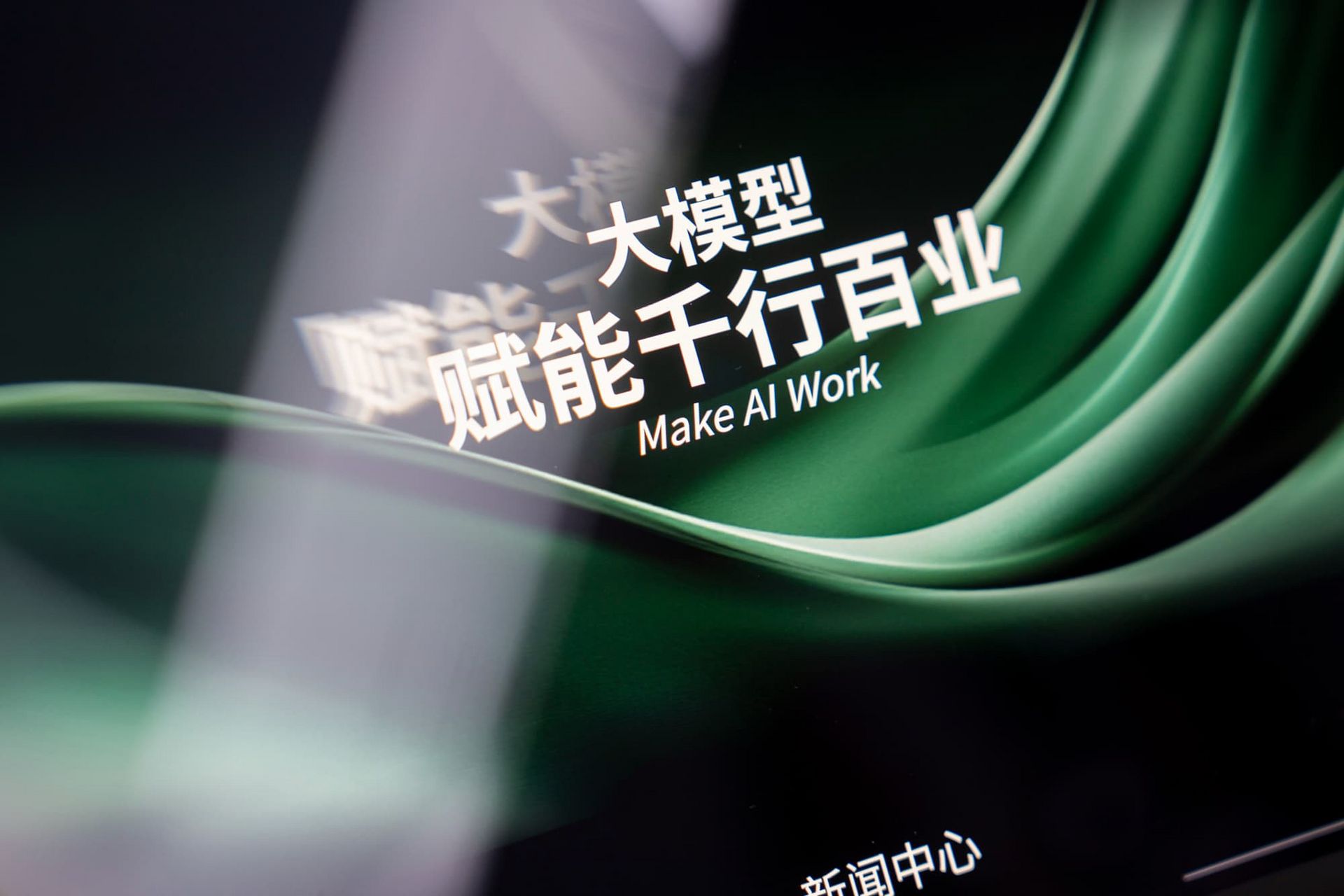
| | | | | China's AI | | | (source: CNBC) | 📈 The Digest: China's AI trade is moving past building giant data centers and into something far more exciting. Actual apps that people use. After years of flexing infrastructure, Chinese AI companies are now focused on shipping tools that solve real problems instead of just looking impressive in government presentations. | Key Details: | 📱 From Servers to Smartphones
Chinese firms are shifting attention from raw compute to consumer and business apps. AI assistants, media tools, and productivity software are finally showing up where people can tap, swipe, and complain about them. | 🤖 AI Leaves the Lab
Robots and AI systems are increasingly deployed in factories, hospitals, and cities. It turns out AI is more impressive when it cleans floors or books appointments instead of living in a slide deck. | 🌍 Exporting Usefulness
Chinese AI models are spreading globally through practical tools in agriculture, logistics, and small business software. Less "national strategy," more "this app actually helps." | 📊 Policy Push for Results
Beijing is nudging companies to focus on economic impact and adoption, not just scale. Translation: fewer headlines about compute power, more proof that anyone is actually using it. | Why It Matters: China's AI story is growing up. Infrastructure was step one, but applications are where value shows up. Anyone can build servers. Winning comes from building things people open every day instead of things that just look good on a balance sheet. |
| |
| | |
| | | | | AI stocks | | | (source: TheGlobeandMail) | 💎 The Digest: Big money is quietly loading up on a key AI computing stock while everyone else is still arguing about chatbots. Hedge funds and institutions are making moves behind the scenes, which usually means one thing: they are buying before it becomes dinner table conversation. | Key Details: | 🤫 Silent Accumulation Mode
Large investors are building positions without hype or headlines. No viral tweets, no CNBC victory laps, just calm buying while retail investors are still asking, "Is AI a bubble?" | 🧠 The Picks and Shovels Play
Instead of flashy AI apps, big money is targeting the infrastructure that actually powers AI. Chips, memory, and compute suppliers are the real toll booths of the AI gold rush. | 📈 Follow the Flow, Not the Noise
Institutional buying tends to show up in filings long after the decision is made. By the time it trends on social media, the smart money is usually already comfortable and bored. | 💾 Compute Is the Bottleneck
AI models keep getting bigger, and that means demand for computing power keeps climbing. Owning the hardware behind the hype is starting to look smarter than chasing the hype itself. | Why It Matters: When big money moves quietly, it usually means they are thinking long term. These investors are not betting on which chatbot is funniest. They are betting on the machines that make every chatbot possible. If history repeats, this is the part where people say, "It was obvious in hindsight," while pretending they were not distracted by meme stocks the whole time. |
| |
| | |
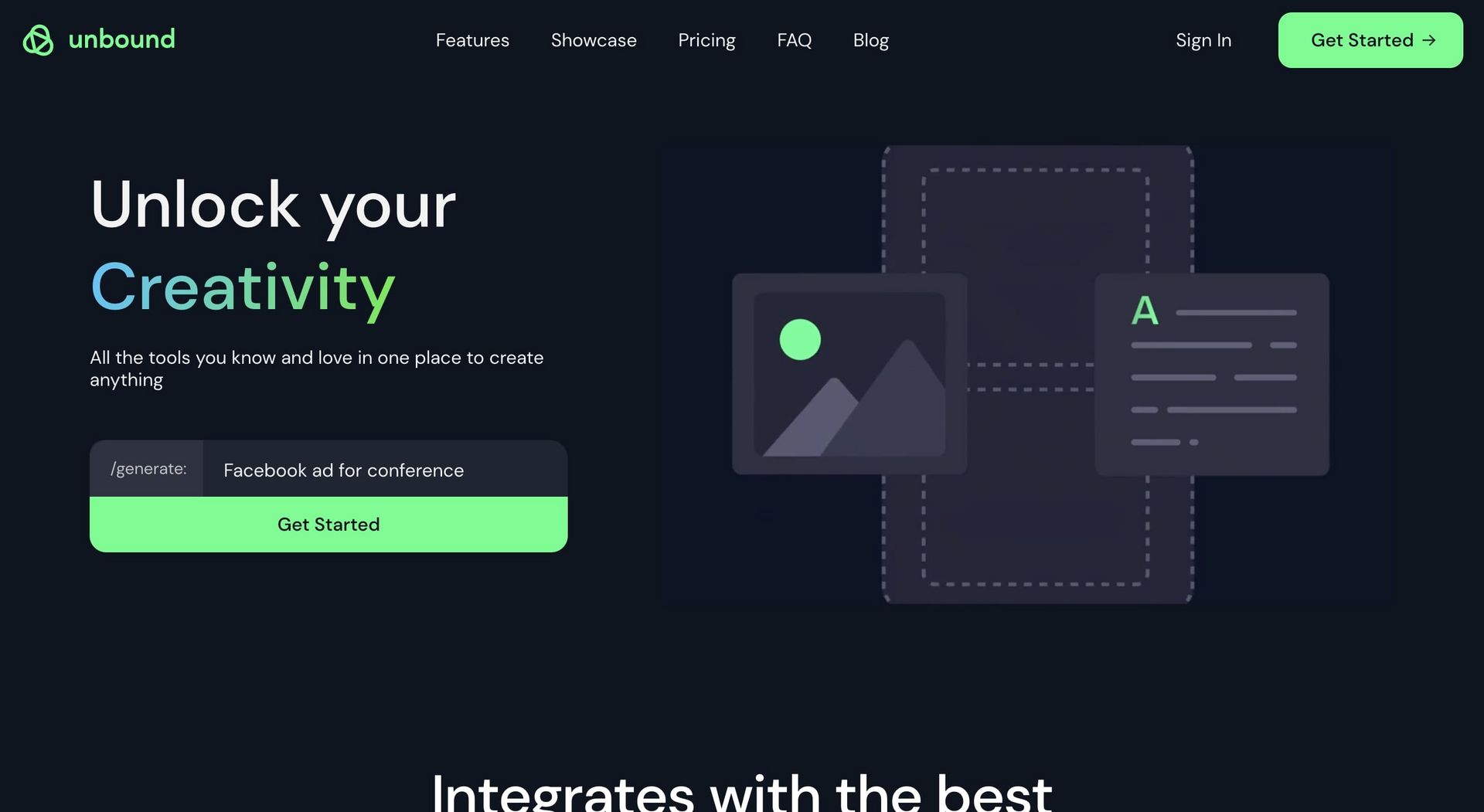
| | | | | | AI Hacks & How-Tos | | | Unbound provides enterprise-grade security and governance for AI tools by giving IT and security teams visibility, control and policy enforcement over how AI is used within their organization. It prevents leakage of sensitive data, monitors usage, routes requests to appropriate models, and ensures compliance with corporate and regulatory standards. | How to Use It 🧭 | 1. Sign Up and Set Up Your Account
Create an Unbound account on the platform. Enterprise teams typically start with a trial or custom onboarding.
Pro tip: Involve both security and IT operations early so governance policies match business risk priorities. | 2. Connect Your AI Tools and API Keys
In the Unbound dashboard connect the AI services your teams already use (for example OpenAI, Claude, internal LLMs). Unbound becomes the central gateway through which AI requests are routed.
Pro tip: Use your organization's existing API keys so usage and control remain within your established billing and security scope. | 3. Define Security and Governance Policies
Set rules for how sensitive data should be handled. Unbound can automatically detect and redact sensitive information before it's sent to an external model, and route high-risk queries to secure internal models.
Pro tip: Start with common sensitive categories like credentials, personal data, and proprietary code. | 4. Enable Usage Monitoring and Alerts
Use the analytics features to monitor who is using AI tools, which models are being accessed, and what types of data are being processed. Set up alerts for unusual patterns or policy violations.
Pro tip: Review reports regularly to identify shadow AI use and educate teams on compliant AI workflows. | 5. Route and Optimize AI Requests
Unbound automatically routes AI requests based on policy, cost and performance criteria. For example, less sensitive tasks can use public models while critical work uses internal or private models.
Pro tip: Adjust routing rules to balance performance and cost while maintaining security. | 6. Review and Iterate on Governance Rules
As AI usage grows, update policies and tools connected to Unbound to cover new workflows, threats, or compliance needs.
Pro tip: Use cross-functional feedback to refine controls without blocking productivity. | Why It Matters ✨: Unbound enables enterprises to embrace AI without blocking innovation. It protects sensitive data from leaking into unmanaged AI tools, increases visibility into AI usage across departments and helps enforce corporate policy and compliance. With the rise of generative AI adoption, tools like Unbound make it possible to scale secure AI practices rather than rely on reactive blocking or bans. |
| |
| | |
| | | | | Trending AI Tools | Unbound – AI platform for secure enterprise AI usage and governance. Upscale by PixelBin – AI image upscaler that boosts resolution and clarity. UpCat – AI assistant that generates Upwork proposals and job alerts. TTSLabs – Customizable AI text-to-speech for streamers. TinyWow – Suite of free online AI tools for PDF, image, and text tasks.
|
| |
| | |
|
|





Tidak ada komentar:
Posting Komentar